


Buying a new construction home is one of the largest financial decisions you will make, and understanding how that purchase builds equity over time is essential to making it a sound long-term investment. Resale value, appreciation potential, and total cost of ownership all factor into whether a specific property fits your goals.
This guide walks you through the criteria that matter most when evaluating new construction homes for equity growth, from location and build quality to warranty coverage and financing strategies. Sapphire Homes provides the framework and the homes to help buyers in the greater Seattle and Eastside area make confident, informed decisions.
Key Takeaways: New Construction Home Equity
- New construction homes built after 2020 are valued approximately 19% higher than older homes, according to recent housing data.
- Location, school district quality, and proximity to employment centers are the strongest long-term drivers of home appreciation.
- Energy-efficient systems, modern layouts, and updated building codes reduce ownership costs and support resale value over time.
- Sapphire Homes includes features as standard that many builders treat as upgrades, giving buyers a stronger equity position from day one.
- Evaluating a new construction home as a long-term investment requires looking beyond purchase price to total cost of ownership.
What Is Home Equity and Why Does It Matter for New Construction Buyers?
Home equity is the difference between your home's current market value and the remaining balance on your mortgage. For buyers purchasing new construction homes, understanding how equity builds over time is one of the most important financial considerations in the buying process.
Equity grows in two ways. First, your mortgage balance decreases with every payment you make. Second, your home's market value can increase through appreciation driven by location, demand, and property condition.
New construction homes offer a distinct starting point for equity growth. You move in with everything new, from the foundation to the roof, which means you are not inheriting deferred maintenance that could quietly erode your investment.
How Does Location Influence Appreciation for New Construction Homes?
Location remains the single most durable driver of long-term home value. A well-built home in a desirable area with strong employment access, quality schools, and growing infrastructure will typically appreciate more consistently than a comparable home in a less connected location.
For buyers in the greater Seattle and Eastside area, proximity to major employers in technology, healthcare, and aerospace continues to support housing demand. Cities like Bellevue, Kirkland, Redmond, Issaquah, and Renton benefit from a combination of job growth, limited land supply, and strong school districts.
Remote and hybrid work arrangements have also expanded the geographic range that buyers consider. Suburban communities that offer a balance of commute access and neighborhood quality are drawing interest from professionals who previously focused exclusively on urban locations.
Why Do School Districts Affect New Construction Resale Value?
School district quality is one of the most reliable predictors of neighborhood desirability, even for buyers without school-age children. Homes within highly rated districts tend to hold value more consistently and attract a broader pool of buyers at resale.
In King and Snohomish Counties, districts such as Bellevue, Lake Washington, Issaquah, and Northshore consistently rank among the region's strongest. New construction communities positioned within these boundaries carry an additional layer of long-term demand that supports appreciation.
When evaluating a new construction home as an investment, research the specific district, school ratings, and any planned changes to boundaries. This information is publicly available and worth reviewing before making a commitment.
What Role Does Build Quality Play in Long-Term Home Value?
Construction quality directly affects how well a home holds its value. Homes built to current codes use updated materials, improved insulation, and modern structural techniques that reduce wear and lower costly repair risk.
A 2025 NAHB study using American Housing Survey data found that homes built after 2020 are valued approximately 19% higher than homes built before 2010. This premium reflects buyer confidence in modern design, energy efficiency, and updated systems.
The builder behind the home matters as well. A builder with a documented track record, clear warranty terms, and verifiable reviews provides accountability that protects your investment. Researching builder history before signing a contract is one of the most practical steps you can take.
How Do Energy-Efficient Features Protect Your Investment?
New construction homes are built to current energy codes, which are significantly more rigorous than those of even ten years ago. The practical result is a home that costs less to heat, cool, and operate month after month.
Common energy-efficient features in today's new homes include high-performance insulation, low-emissivity windows, properly sized HVAC systems, and water-saving fixtures. Over five to ten years of ownership, the cumulative savings on utility costs are meaningful and contribute to a lower total cost of ownership.
Energy efficiency also supports resale value. Buyers increasingly factor operating costs into their purchasing decisions, and a home with documented energy savings and modern systems is more attractive at resale than one that requires upgrades to meet current standards.
What Standard Features Should You Evaluate Before Buying?
One of the most practical ways to assess a new construction home's long-term value is to look closely at what the builder includes as standard. Many builders advertise a base price that does not reflect the cost of finishes, appliances, and features that most buyers consider essential.
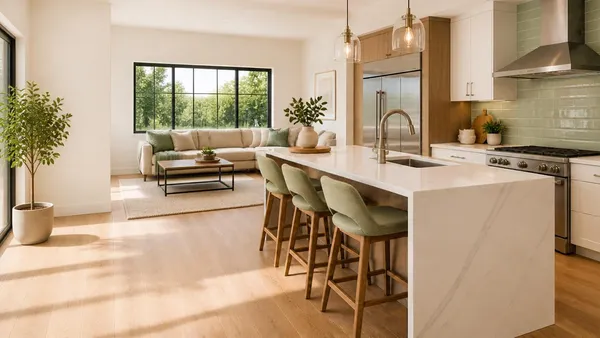
Sapphire Homes takes a different approach. Features that many builders treat as upgrades come included as standard in every Sapphire home. These include quartz countertops, stainless steel appliances, chef-inspired kitchens, waterproof wood-look luxury vinyl plank flooring, sound resistant windows, and covered outdoor living spaces.
This included-value approach gives buyers a stronger equity position from the start. You are not paying extra for finishes that contribute to your home's market value, and you avoid the post-purchase upgrade cycle that can add tens of thousands in unexpected costs.
How Does Warranty Coverage Factor Into Home Equity?
Builder warranties are a tangible form of investment protection. They cover defined components for specified periods, reducing your exposure to unexpected repair costs during the critical early years of ownership.
Warranty structures vary by builder, so understanding exactly what is covered and for how long is essential before closing. Look for builders who provide clear, written documentation of their warranty terms, including coverage for workmanship, systems, and structural components.
At Sapphire Homes, every home is backed by a 1-Year Sapphire Homes Builder Warranty and a 6-Year RWC Structural Warranty. This layered approach means that major structural components remain covered well beyond the initial move-in period, providing documented protection that supports the home's long-term value.
How Do You Calculate Appreciation Potential for a New Construction Home?
Appreciation varies by location, market conditions, and timing. However, you can evaluate several factors to estimate a new construction home's appreciation potential before you buy.
Start with local comparable sales data. Review recent sale prices for similar homes, how long homes stay on the market, and whether prices are trending upward. This information is available through public records and listing platforms.
Research the area's growth trajectory as well. Communities near expanding employment centers, planned infrastructure, and limited buildable land tend to see sustained demand. Eastside communities in the greater Seattle area continue to benefit from these dynamics.
What Is the Difference Between Forced and Natural Equity Growth?
Home equity grows through two primary mechanisms. Understanding the distinction helps you make smarter decisions about your investment.
Natural equity growth occurs when your home's market value increases due to rising demand, limited supply, and broader economic conditions. You benefit from natural appreciation simply by owning in a desirable location.
Forced equity growth happens when you take deliberate actions to increase value. This can include strategic improvements, extra principal payments, or choosing a shorter loan term.
New construction homes position you well for both. You start with a property in peak condition, which supports natural appreciation, and fewer immediate repairs mean more budget for principal payments or targeted improvements.
How to Evaluate a New Construction Home's Investment Fit
Evaluating a new construction home as a long-term investment requires a structured approach. The following criteria give you a practical framework for assessing whether a specific property aligns with your financial goals.
Step 1: Research the Local Market
Review comparable sales, inventory levels, and days on market for new homes in the area. Look for markets where demand is steady or growing and supply remains limited.
Step 2: Assess the Location Fundamentals
Evaluate proximity to employment centers, school district quality, transit access, and planned infrastructure investments. These factors are the most durable predictors of long-term appreciation.
Step 3: Review What the Builder Includes
Compare the standard features across builders in the area. A builder that includes high-quality finishes as standard, such as quartz surfaces and energy-efficient systems, gives you a stronger starting position than one that charges extra for features that drive market value.
Step 4: Understand the Warranty Terms
Request written warranty documentation before closing. Confirm what is covered, for how long, and how claims are handled. A transparent builder will provide this information readily.
Step 5: Calculate Total Cost of Ownership
Factor in projected utility costs, maintenance expectations, HOA fees if applicable, and any upgrades you plan to make. The true cost of a home extends well beyond the purchase price, and a complete picture helps you compare options accurately.
Why Does the Builder's Track Record Matter for Resale Value?
The builder's reputation in the local market has a direct impact on how buyers perceive the home at resale. A home built by a recognized, accountable builder carries more confidence among future buyers than one built by an unknown or less established company.
With over 13 years in operation and more than 275 homes delivered across 30+ communities, Sapphire Homes has built a track record that buyers and agents in King and Snohomish Counties recognize. As a locally owned, family-operated builder, the ownership team is directly involved from site development through final inspection.
That accountability signals to future buyers that the home was built by a company with a vested interest in the community and a documented history of standing behind its work.
How Does Neighborhood Development Affect New Construction Home Values?
New construction communities are often located in areas where infrastructure and amenities are still evolving. While this can mean a period of adjustment, it also creates opportunity for appreciation as the surrounding area matures.
Planned parks, retail centers, transit improvements, and new schools can all contribute to rising property values in newly developed neighborhoods. Buyers who purchase early in a community's lifecycle often benefit from price growth as these improvements are completed.
Evaluate the development pipeline before you buy. Local planning departments publish information about approved projects, zoning changes, and infrastructure investments. This data gives you a clearer picture of what the neighborhood will look like in five to ten years and how that trajectory might support your home's value.
What Should Eastside Seattle Buyers Know About New Construction Equity?
The greater Seattle Eastside presents a specific set of conditions that favor new construction equity growth. Limited buildable land, strong demand driven by major employers in technology and healthcare, and consistently rated school districts create a foundation for sustained appreciation.
Cities like Bellevue, Redmond, Kirkland, Issaquah, and Renton continue to attract buyers who value commute access, neighborhood quality, and modern amenities. New construction in these areas addresses a real gap in housing supply, which supports demand and pricing stability over time.
Sapphire Homes builds thoughtfully designed communities across the Eastside, each positioned in locations where the fundamentals of job access, school quality, and neighborhood desirability align. This intentional approach to site selection is part of what supports long-term value for buyers.
How Do New Construction Homes Compare to Resale Homes for Equity Growth?
Both new construction and resale homes can build equity, but the paths differ. Understanding these differences helps you choose the option that aligns with your priorities.
New construction homes start in peak condition with modern systems, current building codes, and full warranty coverage. This means lower maintenance costs in the early years, fewer unexpected expenses, and a property that meets current buyer expectations at resale.
Resale homes may offer a lower entry price and established neighborhoods. However, they often require updates to systems, finishes, and efficiency standards that add significant cost over time. These expenses reduce the net equity you build during ownership.
For buyers planning to stay five or more years, the total cost of ownership comparison often favors new construction. Lower operating costs, included features, and reduced maintenance create a more predictable financial picture.
What Financing Strategies Help Build Equity Faster in a New Home?
Your mortgage structure plays a significant role in how quickly you build equity. Several strategies can accelerate the process without requiring a dramatic change in your monthly budget.
Making a larger down payment reduces your initial loan balance and gives you immediate equity. It may also help you avoid private mortgage insurance (PMI), lowering monthly costs.
Choosing a shorter loan term, such as a 15-year mortgage, results in a lower interest rate and faster equity growth, though monthly payments will be higher.
Extra principal payments, even modest ones, compound over time. Setting up biweekly payments or rounding up your monthly amount are simple ways to accelerate your payoff timeline.
In Conclusion: How to Make a Confident New Construction Investment Decision
Evaluating a new construction home for long-term equity growth requires looking beyond the surface. Location fundamentals, build quality, included features, warranty coverage, and the builder's track record all contribute to how well your investment performs over time.
For buyers in the greater Seattle and Eastside area, the combination of strong employment access, quality school districts, and limited housing supply continues to support home values. Choosing a builder who includes high-quality features as standard and provides transparent warranty protection gives you a stronger foundation for equity growth.
We invite you to explore our available communities and see firsthand how a Sapphire home is designed for real life. Every Sapphire home is backed by a 1-Year Sapphire Homes Builder Warranty and a 6-Year RWC Structural Warranty, providing added peace of mind long after move-in day.
FAQs About New Construction Home Equity
Do new construction homes appreciate faster than resale homes?
Appreciation depends primarily on location, market demand, and property condition rather than whether a home is new or resale. New construction homes built to current codes and located in growing areas with strong fundamentals can appreciate competitively. Sapphire Homes builds in communities across Bellevue, Renton, Issaquah, and Bothell, areas where demand and limited supply support long-term value.
What factors have the greatest impact on new construction resale value?
School district quality, proximity to employment centers, neighborhood desirability, and the overall condition of the home drive resale value most significantly. Features like energy-efficient systems, modern layouts, and quality finishes also contribute. Sapphire Homes includes features like quartz countertops and sound resistant windows as standard, supporting both livability and resale appeal.
How does a builder warranty protect home equity?
A builder warranty covers repairs to defined components during the early years of ownership, reducing unexpected costs that can erode your equity. Sapphire Homes backs every home with a 1-Year Builder Warranty and a 6-Year RWC Structural Warranty, providing documented coverage that gives buyers confidence in their investment.
How long should you plan to stay in a new construction home to build meaningful equity?
Most financial advisors suggest staying in a home for at least five years to offset transaction costs and allow appreciation to build. New construction buyers benefit from lower maintenance costs during this period, which means more of your housing budget contributes to equity growth rather than repairs.
Can you build equity faster by choosing specific mortgage strategies?
Choosing a shorter loan term, making a larger down payment, and adding extra principal payments all accelerate equity growth. Even small additional payments compound over time. Sapphire Homes works with preferred lending partners who can walk you through financing options that align with your equity-building goals.